Developed by Cornell University, Structural Soil is a specially engineered mix of load-bearing stone and nutrient-rich soil. It is designed to support paved surfaces while allowing tree roots to grow beneath. This system provides the stability needed for sidewalks and pavement while preventing soil compaction and creating space for healthy root development.
Why Structural Soil
The larger a tree is able to grow, the greater the benefits it provides — including reduced runoff, improved air quality, erosion control, and cooling through shade. In urban environments, however, soils are often highly compacted, especially around impervious surfaces like sidewalks and parking lots. This compaction limits the air and water exchange that roots need to survive. Structural Soil provides space for roots to grow while still supporting pavement above. It also helps prevent concrete from heaving and cracking, allowing trees to thrive without damaging surrounding infrastructure.
Municipalities and commercial developments can benefit greatly from using structural soil, particularly along streets and in parking lots where trees often struggle. Homeowners can also use structural soil beneath driveways, patios, or walkways to allow trees to grow larger and provide their benefits without damaging surrounding surfaces.
Structural Soil at Brightside
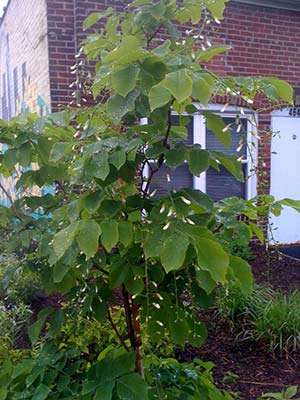
At the Brightside Demonstration Garden, structural soil is installed beneath the public sidewalk along Shenandoah, allowing the roots of two black gum trees to access additional soil beneath the sidewalk and into the garden without damaging the concrete. This added growing space helps the trees grow larger, healthier, and live longer, while also reducing long-term sidewalk maintenance.
If allowed to reach an 18-inch trunk diameter, these two black gum trees are expected to capture approximately 3,142 gallons of stormwater per year — compared to just 976 gallons for an 8-inch tree.
To estimate the benefits of trees in your own landscape, visit the i-Tree Design tool.
Structural soil is also used beneath the stamped concrete walkway in the Butterfly Garden, supporting the long-term health of the yellowwood tree.
See the benefits of Structural Soil at the Demo GardenCreate Your Own Sustainable Landscape
Want to learn more about ways to improve the health of urban trees? Visit our pages below.
Resources
Learn more about Cornell University Structural Soil.
East-West Gateway Council of Governments explores St. Louis rainscaping projects